Characteristics of car fuses
As a key protective device for automotive circuits, car fuses have distinct characteristics. The following will introduce them from the dimensions of materials and structure, electrical
performance, ease of use, and identification:
Material characteristics:
The melt of car fuses is usually made of low melting point metal alloys such as copper and silver, which have good conductivity and stable physical and chemical
properties. During normal operation, they can ensure smooth flow of current; And when the current abnormally increases, it can quickly melt and cut off the circuit. For example, silver has
excellent conductivity, which can effectively reduce electrical energy loss, improve circuit efficiency, and maintain good stability at high temperatures.
Structural design:
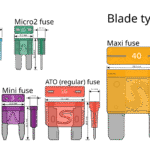
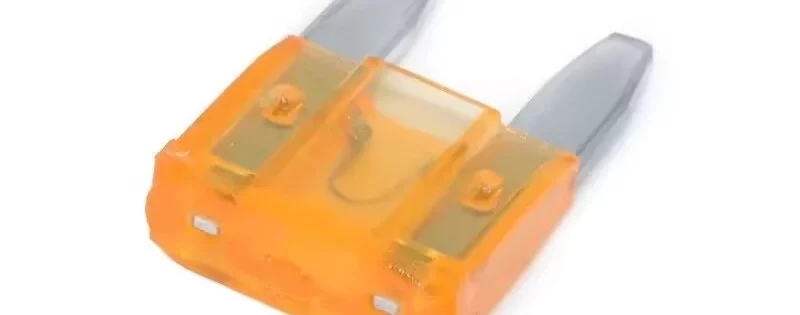
Car fuses generally adopt a blade type structure, which is compact, occupies small space, and is easy to install in the narrow fuse box of the car. Moreover, the blade type
structure has a large contact area, which can reduce contact resistance, minimize heat generation, and ensure the reliability of the connection. In addition, some car fuses also come with glass
tubes or ceramic shells, which serve to insulate and protect the melt, preventing the arc generated when the melt melts from affecting the surrounding circuits.
Electrical performance
Color and marking differentiation: In order to facilitate users to identify fuses with different rated currents, car fuses are usually distinguished by color and marking. For example, a fuse with a
rated current of 5A may be brown, 10A red, 15A blue, and so on. At the same time, the specific rated current value will also be marked on the fuse, and users can quickly and accurately find the
required specifications of the fuse through color and labeling.