omposition of high-speed semiconductor fuses
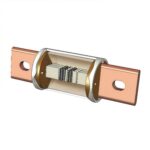
High speed semiconductor fuses are used to protect electronics, electrical appliances, and
industrial equipment. They quickly disconnect the internal melt of the fuse in a short period of
time when a large current passes through, providing protection and preventing damage to
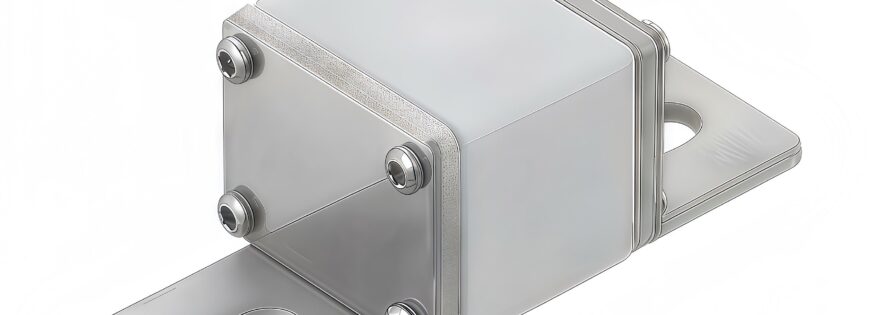
semiconductor components caused by overcurrent. The usual materials used are the shell,
contacts, melt, and filling material such as quartz sand
Ceramics have good insulation, high temperature resistance, and vibration resistance. They have
high strength and can withstand the high temperature and arc generated when the melt melts.
Hardness above 1500HV, high melting point, high temperature resistance, and excellent chemical
stability at high temperatures; Ceramics have lower thermal conductivity than metal materials,
making them excellent insulation materials. At the same time, the coefficient of linear expansion
of ceramics is lower than that of metals, and ceramics have good dimensional stability when the
temperature changes. When the melt melts, an arc is generated, which can provide better
insulation
Melamine tube has low temperature resistance, strong toughness, and is prone to deformation at
high temperatures. Its weakness is that it is prone to combustion at high temperatures
The contacts are commonly made of brass and red copper, and their function in the product is to
connect the internal melt and insulation, making the product conductive.
Silver mainly has good conductivity and thermal conductivity, with a melting point of 961.78 .°C
Under normal operating current, the heat generated by the melt is very small, and the power loss
is also very low. The fuse has stable performance, low power consumption, and stable heat
dissipation performance during long-term use Achieve better segmentation ability.
Mainly by wrapping the melt entirely in ceramic or melamine tubes and rapidly cooling the arc:
Quartz sand has high thermal conductivity, and when the fuse cuts off the circuit and generates
an arc, quartz sand can quickly absorb the energy of the arc. It has a large contact area with the
arc, which can efficiently conduct heat and cool the arc to the extinguishing state in a short
period of time.
Insulation isolation: Quartz sand itself is an excellent insulation material. After the arc is
extinguished, it can form an insulation barrier to prevent arc reignition or current re conduction,
ensuring that the circuit is completely disconnected